Skip to the content
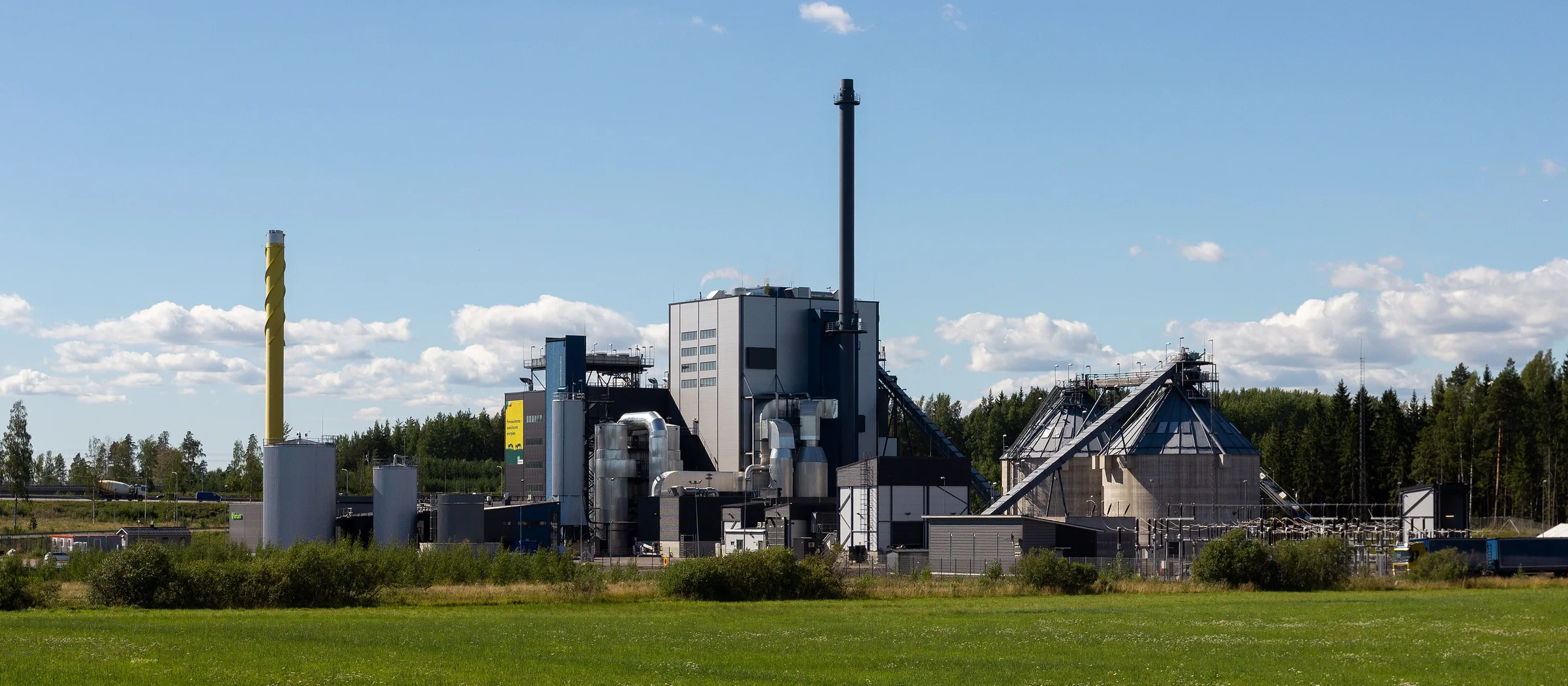
A combined heat and power plant with its tall chimney beyond a meadow

Energy Efficiency and Cogeneration

Metering, power quality and efficient drives, with cogeneration making power and heat together on site.

We design, supply, install, test and commission the systems that let a building use less energy and make some of its own, and maintain the systems we installed: the metering and monitoring that show where the energy goes, the power factor correction and harmonic filtering that keep the supply clean, the efficient motors and variable speed drives of the plant, and the cogeneration plants that make electricity and heat together, with the absorption chillers that turn the heat into cooling.

The work starts from an energy audit to ISO 50002, or from the design of a new building to ASHRAE 90.1 and the authority's green building regulations: the energy each system uses, the tariffs, the hours of operation, and the measures that pay back within the client's horizon. For cogeneration we compare the site's electrical and thermal demand hour by hour over a year, and size the plant for the base load it can run at for most of the year, commonly more than 5,000 hours.

We supply the meters, the analysers, the capacitor banks, the filters, the drives and the cogeneration plant with its heat recovery, those of the brands we carry among them, and our teams install and commission them. After commissioning, the savings of each measure are measured and verified against its baseline, as IPMVP describes. Under a service contract we then maintain the systems we installed: the cogeneration engines serviced to their manufacturers' schedules, the capacitor banks and filters tested, the meters checked.

Metering, power quality and efficient drives

We meter a building by its main loads and its tenants: multifunction meters and power analysers on the incomers and the main feeders, and sub-meters on the chillers, the lighting, the small power and each tenant, all read by an energy monitoring system that shows the energy use, the peak demand and the power quality of each. The analysers measure the harmonic distortion of the voltage and the current against the limits of IEEE 519, from which we size the power factor correction that holds the power factor at 0.95 or above and the filters that bring the distortion within those limits.

Motors are the largest electrical load of most plant, so we specify them to efficiency class IE3 or IE4 of IEC 60034-30-1, and drive the pumps and fans whose flow varies through variable speed drives: a fan or a pump at 80 per cent of its speed draws about half of its full-speed power. We connect each measure to the building management system, so that its savings can be seen and kept.

Cogeneration and trigeneration

A cogeneration plant burns natural gas in a reciprocating engine that drives a generator, and recovers the heat of its jacket water and its exhaust as hot water or steam. A gas engine turns 35 to 45 per cent of the fuel's energy into electricity and, with its heat recovered, 80 to 90 per cent into useful energy. It runs in parallel with the utility, synchronised and protected to the utility's rules, or as an island with the standby generators.

In the Gulf the heat is often worth most as cooling: an absorption chiller turns it into chilled water for the building, single-effect on the engine's hot water with a coefficient of performance of about 0.7, or double-effect on its exhaust or steam at about 1.2 to 1.4, and the plant becomes a trigeneration plant. We design the engines, the heat recovery, the absorption chillers and their heat rejection as one system, and size the thermal storage that lets the engines run at full output while the demand for heat and cooling varies.

Systems and equipment

Metering and power quality

  • Energy meters: multifunction meters on the incomers, the main feeders and each tenant
  • Power analysers: harmonics, flicker and events recorded at the main boards
  • Energy monitoring systems: the consumption, demand and power quality of each system and tenant
  • Power factor correction: automatic capacitor banks with detuned reactors
  • Active harmonic filters: for the current distortion of drives, UPS systems and LED lighting

Efficient loads

  • High-efficiency motors: efficiency classes IE3 and IE4 to IEC 60034-30-1
  • Variable speed drives: for the pumps, fans and compressors whose load varies
  • LED lighting and controls: with presence and daylight sensors
  • Chilled water plant optimisation: chillers, pumps and cooling towers run together at their lowest combined energy

Cogeneration and trigeneration

  • Gas engine generating sets: with their synchronising and protection for parallel running
  • Heat recovery: jacket water and exhaust heat exchangers for hot water or steam
  • Absorption chillers: single-effect on hot water, double-effect on exhaust gas or steam
  • Thermal storage: hot and chilled water storage that evens out the demand
  • Heat rejection: cooling towers or dry coolers for the engines and the absorption chillers

Standards we work to

  • ISO 50001: energy management systems
  • ISO 50002: energy audits
  • ASHRAE 90.1: energy performance of buildings
  • IEC 60034-30-1: efficiency classes of line-operated AC motors
  • IEEE 519: harmonic control in electric power systems
  • ISO 8528: reciprocating internal combustion engine driven alternating current generating sets
  • IPMVP: the International Performance Measurement and Verification Protocol
  • The green building regulations of the UAE's authorities, Al Sa'fat in Dubai and Estidama in Abu Dhabi among them