Skip to the content
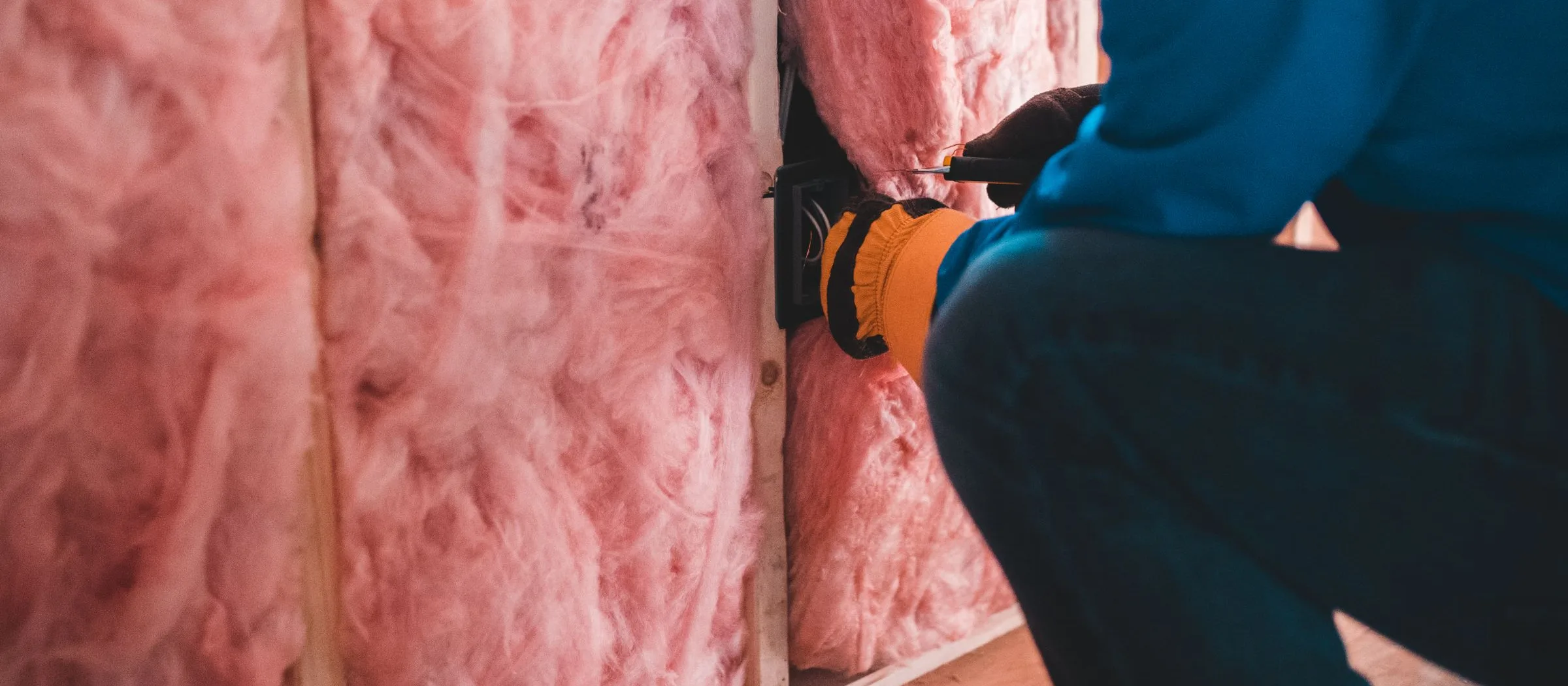
A worker fitting pink insulation batts between wall studs

Thermal and Acoustic Insulation

Insulation for cold and hot pipework, ducts and vessels, with the attenuators and isolators that quieten plant.

We design, supply and install the thermal and acoustic insulation of building services, and maintain the insulation we installed: the insulation of chilled water, refrigerant, hot water, steam and condensate pipework, of ductwork and of tanks, vessels and heat exchangers, with the vapour barriers and the cladding that protect it; the attenuators and the lagging that keep the noise of plant, ducts and pipes out of the rooms; and the isolators that keep the vibration of machines out of the structure.

The design starts from the temperature of each service and the air around it. For cold services in the Gulf, where the dew point of the outdoor air can pass 28 °C, we calculate the thickness to ISO 12241 or take it from BS 5422, so that the outer surface stays above the dew point of the air around it and never sweats; for hot services, at no less than the thickness ASHRAE 90.1 or the project sets, and so that every surface within reach is safe to touch. We choose each material for its temperature, its fire performance and its place: indoors, in a ceiling plenum, or outdoors in the sun.

We supply the insulation, the vapour barrier tapes and the cladding, with the attenuators and the isolators, and our teams install them on site, the insulation after each system's pressure test so that no joint is hidden before it is proved. We inspect the work as it goes on: the vapour barrier continuous over every joint, support and valve, the cladding lapped to shed water, the attenuators and isolators where the acoustic design placed them. Under a service contract we then maintain the insulation we installed: damaged insulation and cladding repaired, and vapour barriers sealed again.

Thermal insulation and condensation

Chilled water at 6 to 7 °C and refrigerant suction lines run far below the dew point of the Gulf's air, so the insulation of cold services must keep moisture out as well as heat. We use closed-cell flexible elastomeric foam to EN 14304, or phenolic or polyisocyanurate sections with a vapour barrier facing, of the thickness the calculation gives for the air around them, and seal the vapour barrier over every joint, support, valve and flange. Pipes rest on load-bearing insulated supports, so that no hanger breaks the barrier: a single gap lets in vapour that condenses inside the insulation, wets it and corrodes the pipe.

Hot water, steam and condensate pipework takes mineral wool to EN 14303, foil-faced or clad, of the thickness that holds the heat lost within the limit set for it and keeps the surface safe to touch. Outdoors and in plant rooms we clad the insulation in aluminium or stainless steel, lapped to shed rain, and on roofs the cladding also shields elastomeric foam from the sunlight that would break it down.

Fire performance and acoustic insulation

We choose each insulating material by its reaction to fire under EN 13501-1, mineral wool of class A1 or A2 and foams of the class the authority allows where they are used; under NFPA 90A, duct coverings and the materials exposed in a ceiling plenum have a flame spread index of no more than 25 and a smoke-developed index of no more than 50 under ASTM E84. Where insulated services pass a fire-rated wall or floor, the insulation is part of a tested penetration seal.

Noise travels from plant along ducts and pipes and breaks out into the rooms they pass. We size attenuators for the insertion loss each room needs to stay within its limit, NR 25 to 30 in bedrooms and the limits of HTM 08-01 in hospitals, at a pressure drop the fans can take, and lag ducts and pipes under a mass-loaded barrier where they pass quiet rooms. In hospitals we line no duct inside, and seal the infill of attenuators behind a membrane, so that the air picks up no fibres.

Systems and equipment

Pipework insulation

  • Chilled water and refrigerant lines: closed-cell elastomeric foam or phenolic sections with a continuous vapour barrier
  • Hot water and heating: mineral wool sections, foil-faced or clad
  • Steam and condensate: mineral wool or calcium silicate, clad in aluminium
  • Pipe supports: load-bearing insulated inserts that keep the vapour barrier whole
  • Valves and flanges: removable insulated jackets where they must be reached

Ductwork and equipment

  • Supply and fresh air ducts: wrapped or boarded, with a vapour barrier where the air is cold
  • Outdoor ducts: insulated and clad against sun and rain
  • Tanks, vessels and heat exchangers: insulated, with removable panels at their access points
  • Cladding: aluminium, stainless steel or PVC, lapped to shed water

Acoustic treatment

  • Attenuators: rectangular and circular, sized for insertion loss and pressure drop
  • Duct and pipe lagging: mineral wool under a mass-loaded barrier where they pass quiet rooms
  • Stack wrapping: soil and waste stacks beside bedrooms and wards
  • Acoustic louvres and enclosures: around plant on roofs and in yards

Vibration isolation

  • Spring mounts and hangers: for fans, pumps, chillers and the pipework near them
  • Inertia bases: concrete bases on springs for pumps and other machines
  • Flexible connectors: on the pipe and duct connections of every isolated machine
  • Restrained isolators: spring isolators with seismic restraints where the site's earthquakes require them

Standards we work to

  • ISO 12241: thermal insulation for building equipment and industrial installations, calculation rules
  • BS 5422: specifying thermal insulating materials for pipes, tanks, vessels, ductwork and equipment
  • EN 14303: thermal insulation products for building equipment and industrial installations, mineral wool
  • EN 14304: thermal insulation products for building equipment and industrial installations, flexible elastomeric foam
  • EN 13501-1: fire classification of construction products and building elements, reaction to fire
  • NFPA 90A: the installation of air-conditioning and ventilating systems
  • ASHRAE 90.1: energy performance of buildings
  • HTM 08-01: acoustics in healthcare buildings