Skip to the content
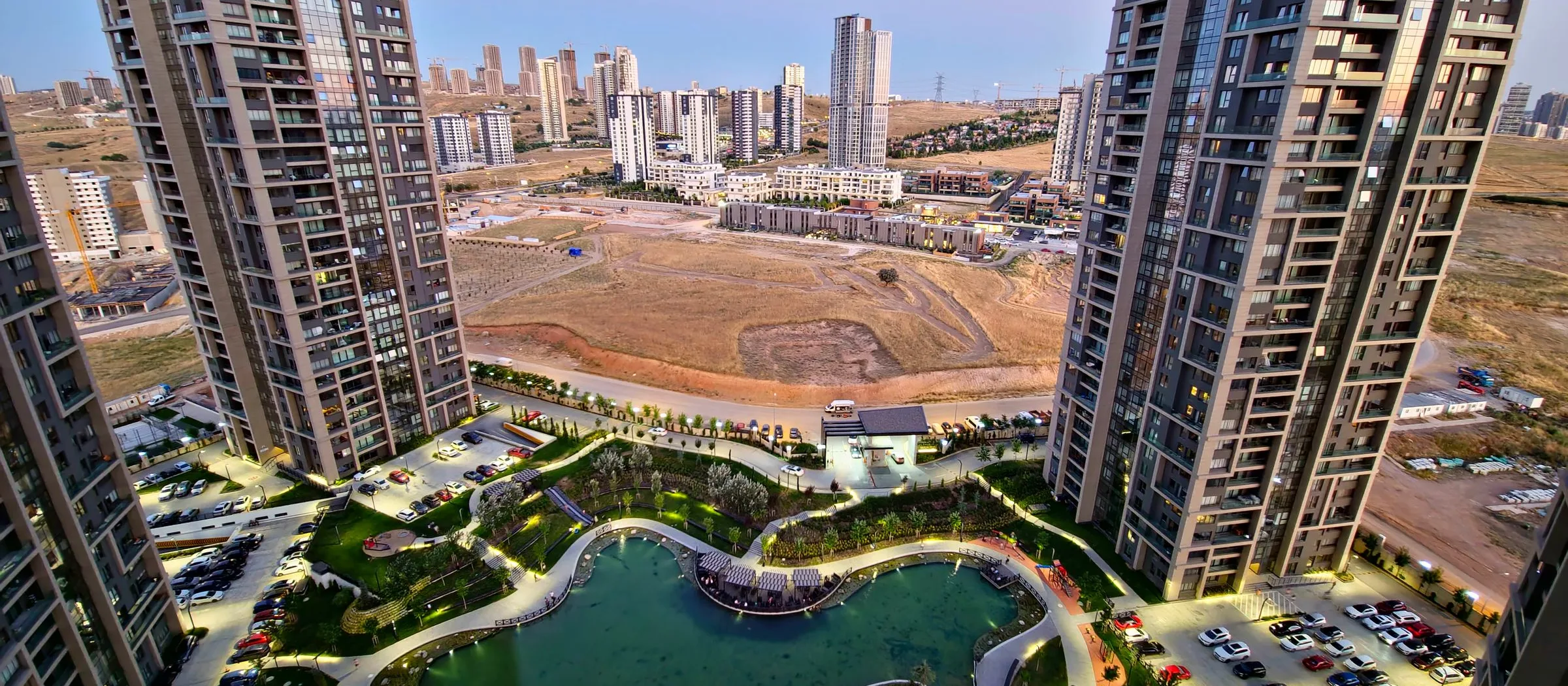
A residential tower seen from its podium garden in the evening

Residential

Residences and compounds, with the quiet, efficient services that homes need.

The building services of a home

A home asks for services that go unnoticed: a bedroom quiet enough to sleep in, safe water at every tap, gas that a family can live beside, and running costs that stay low. A residential tower or a compound multiplies these by every apartment and villa, and adds what its residents share: the pools, the car parks and their chargers, the lifts, the entrances and the fire safety systems of the whole. Every one of these systems is used each day by people who are not engineers, so each must be safe and simple to live with.

We plan the services of a residential tower or a compound with its architects and its developer from the apartments and villas it holds and the facilities its residents share, and place the plant, the risers and the stacks so that their noise stays out of the bedrooms. For a compound we lay out the networks of the whole site, its water, drainage, power, gas, cabling and fire mains, as well as the services of each villa. We design to the UAE Fire and Life Safety Code of Practice, the Dubai Building Code and the rules of DEWA in Dubai or of the utility that supplies the site, and to the EN, IEC and NFPA standards each system follows.

We supply the plant and equipment of each system we build, and our teams install it on site. Each system is proved before the residents move in: the water systems flushed, disinfected and sampled, the gas pipework pressure tested and purged and its detection proved with the shut-off valves, each charge point tested by charging a vehicle or a test load, and each pool filled, balanced and its water tested; the civil defence then witnesses the fire systems. Under a service contract we maintain the systems we installed. Each of these systems is described under Disciplines.

Quiet, efficient air conditioning

A bedroom is the quietest room a building has to cool. In apartments each room is served from a fan coil unit on chilled water, or from a ducted unit of a variable refrigerant flow system, hidden in the ceiling beside it and selected at a medium speed for the noise rating a bedroom needs, commonly NR 25 to 30, its condensate drain trapped and laid to fall. Villas take VRF heat pump or heat recovery systems, their outdoor units on the roof or in a yard behind acoustic louvres, and since bedrooms are small, we check each system's refrigerant charge against the smallest room it could leak into under EN 378 or ISO 5149, adding leak detection or ventilation where the limit would be passed. A tower on a district cooling network takes its chilled water through an energy transfer station, and each apartment's chilled water is metered and read remotely. Each apartment has controls of its own, so that its residents cool only the rooms they use.

Hot and cold water

In the Gulf the cold water warms in its tanks and pipes, and water held between 20 and 45 °C can grow Legionella, so we shade and insulate the tanks, keep the cold pipes away from heat, and chill the water where the climate would warm it past 20 °C. A residential tower is fed from its storage by variable speed booster sets, and pressure reducing valves hold each zone's pressure within the range of its fittings. The hot water of an apartment or a villa is stored at 60 °C or more, heated electrically, by heat pumps or by solar collectors, tilted at some 25° in Dubai and designed for stagnation, the hours when the collectors are hot and no heat is drawn, and thermostatic mixing valves blend it down at the outlets where a child could be scalded. The soil and waste stacks are of acoustic pipework, wrapped where they pass bedrooms, so that the drainage of one apartment stays quiet beside the bedrooms of the next.

Gas and home charging

Where no gas network reaches a residential tower, as on many sites in the Gulf, its kitchens take LPG from tanks shaded or buried at the separation distances NFPA 58 sets by each tank's water capacity. The gas rises in ventilated shafts to the floors, and each apartment takes it through an isolating valve and a check meter read remotely. Each kitchen has a gas detector near the floor, since LPG is heavier than air, and a shut-off valve on its supply that closes when the detector reaches commonly 20 per cent of the lower explosive limit, opening again only by hand. Villas and the bays of a tower's car park take AC charge points in mode 3 of IEC 61851-1, at 7.4 kW single-phase or 11 and 22 kW three-phase, each on a final circuit of its own with a residual current device of 30 mA, either Type B, or Type A with detection of DC fault currents of 6 mA, and load management shares the spare capacity between them, raising their current again at night.

Pools

A compound's pool is used by children and families from morning to night, and in the Gulf it must be cooled in summer as much as heated in winter. We design its plant to the PWTAG Code of Practice, DIN 19643 or the authority's rules. The water runs by gravity over the channels at the pool's edge and through grilles in its floor to a balance tank, each grille passing it at commonly 0.5 m/s or less, so that no pump draws on the pool itself. It passes hair and lint strainers, then sand or glass media filters at commonly 25 m/h or less, and is disinfected with hypochlorite, commonly with ultraviolet light as well, while a controller holds the free chlorine and the pH, commonly at 7.2 to 7.6. Titanium plate heat exchangers heat or cool the water from heat pumps and chillers, and the hypochlorite and the acid stand in separate bunded, ventilated stores, since the two release chlorine gas if they meet.

Fire safety

In a residential tower people may be asleep when the alarm sounds, so the detection must be early and the way out clear. We detect fire in zones that follow the storeys, the apartments' detectors joined to the building's system where the fire strategy asks for it, and write the cause and effect with the fire engineer: the smoke extract and the stair pressurisation start, the lifts return to their designated floor to EN 81-73, and the alarm sounds where the strategy sets. Landing valves in the stairs give the fire service its water, hose reels on every floor give the residents a first means of attack, and firefighters lifts to EN 81-72 serve the tower in protected shafts. In the basement car parks the jet fans and extract fans run on carbon monoxide and nitrogen dioxide sensors day to day, and in a fire the cause and effect sets them for the zone the fire is in; the charge points there are coordinated with the ventilation, the sprinklers and the fire alarm.

ELV services and security

A compound or a tower must open readily to its residents and their guests and to no one else. Its entrances, lobbies and vehicle gates take access control, and video door stations at each entrance call the apartment or villa a visitor has come to. Cameras placed under EN 62676-4 watch the gates, the entrances, the car parks and the shared facilities, their recordings kept for the period the authority or the client sets, and in Dubai they meet SIRA's requirements for residential buildings; privacy masks hide whatever lies inside the homes around them. Each apartment and villa is cabled to its outlets with Category 6A, fed from the building's equipment rooms over optical fibre, and an IPTV headend takes the channels from satellite dishes and terrestrial aerials and streams them over the network to the televisions of every home.

What we hold to in a home

The bedroom sets the noise: the units, the plant and the pipes are chosen and placed for the quietest room of the home.

Every tap and burner is safe to use: water stored and run outside the temperatures at which Legionella grows, hot water blended where a child could be scalded, and gas shut off on a leak.

Each apartment is metered on its own: its chilled water and its gas are read remotely, so that its residents pay for what they use.

Systems and equipment

Cooling

  • Fan coil units: on chilled water, selected for commonly NR 25 to 30 in bedrooms
  • Variable refrigerant flow: heat pump and heat recovery systems for villas
  • Energy transfer stations: for towers on a district cooling network
  • Chilled water meters: on each apartment's supply, read remotely

Water and drainage

  • Booster sets: variable speed multi-pump sets with their pressure vessels
  • Pressure reducing valves: holding each zone's pressure within the range of its fittings
  • Water heaters: storage at 60 °C or more, heated electrically, by heat pumps or by the sun
  • Solar collectors: tilted at some 25° in Dubai, designed for stagnation
  • Acoustic drainage: low-noise stacks, wrapped where they pass bedrooms

Gas and charging

  • LPG tanks: shaded or buried, at the separation distances NFPA 58 sets
  • Gas risers: in ventilated shafts, with a check meter for each apartment
  • Kitchen gas detection: detectors near the floor for LPG, with a shut-off valve reset by hand
  • Home chargers: AC charge points of 7.4 to 22 kW, with their own metering
  • Load management: the building's spare capacity shared between the chargers

Pool plant

  • Balance tanks: taking the water from the channels and the floor outlets by gravity
  • Filters: sand or glass media at commonly 25 m/h or less, with coagulant dosed ahead of them
  • Dosing: hypochlorite and pH correction on the controller's readings, with ultraviolet units
  • Heating and cooling: titanium plate heat exchangers on heat pumps and chillers

Safety and entry

  • Fire detection: zones that follow the storeys, the cause and effect written with the fire engineer
  • Landing valves and hose reels: in the stairs and on every floor
  • Car park ventilation: jet fans and extract fans on carbon monoxide and nitrogen dioxide sensors
  • Video door stations: at each entrance, calling the apartment or villa
  • CCTV: cameras placed under EN 62676-4, in Dubai to the requirements of SIRA