Skip to the content
A dome security camera mounted indoors

Telephony, CCTV, IPTV and Signage

IP telephony and staff phones, CCTV, television to every room and bed, and digital signage in public spaces.

We design, supply, install, test and commission the telephone, CCTV, IPTV and digital signage systems of buildings, and maintain the systems we installed: the IP telephone system with its desk phones and the staff's DECT or Wi-Fi handsets, the cameras, recorders and video management of the CCTV, the headend that takes television from satellite and terrestrial aerials to every room and bed, and the screens and players of the signage. They run on the structured cabling and networks, which have a page of their own, and the cameras' alarms join the security management system.

The design starts from who must speak to whom, what must be seen and recorded, and what each screen must show. From it we size the telephone system and its trunks to the telecommunications operators, place every camera for what it must see and size the recording for the period it must be kept, plan the channels and the rooms that receive them, and place the screens where people look. In Dubai the CCTV follows the requirements of SIRA, the Security Industry Regulatory Agency, for the building's type, and in the UAE every telephone and radio we supply carries the type approval of the TDRA.

We supply the telephone systems, handsets, cameras, recorders, headend equipment, screens and players, and our teams install them on site. Every extension and handset is tested, every camera is set for its view and checked against its purpose, every television outlet is measured, and every screen is shown its content, before handover. Under a service contract we then maintain the systems we installed: cameras cleaned and refocused, recordings checked, handsets and their batteries replaced, and the software kept current.

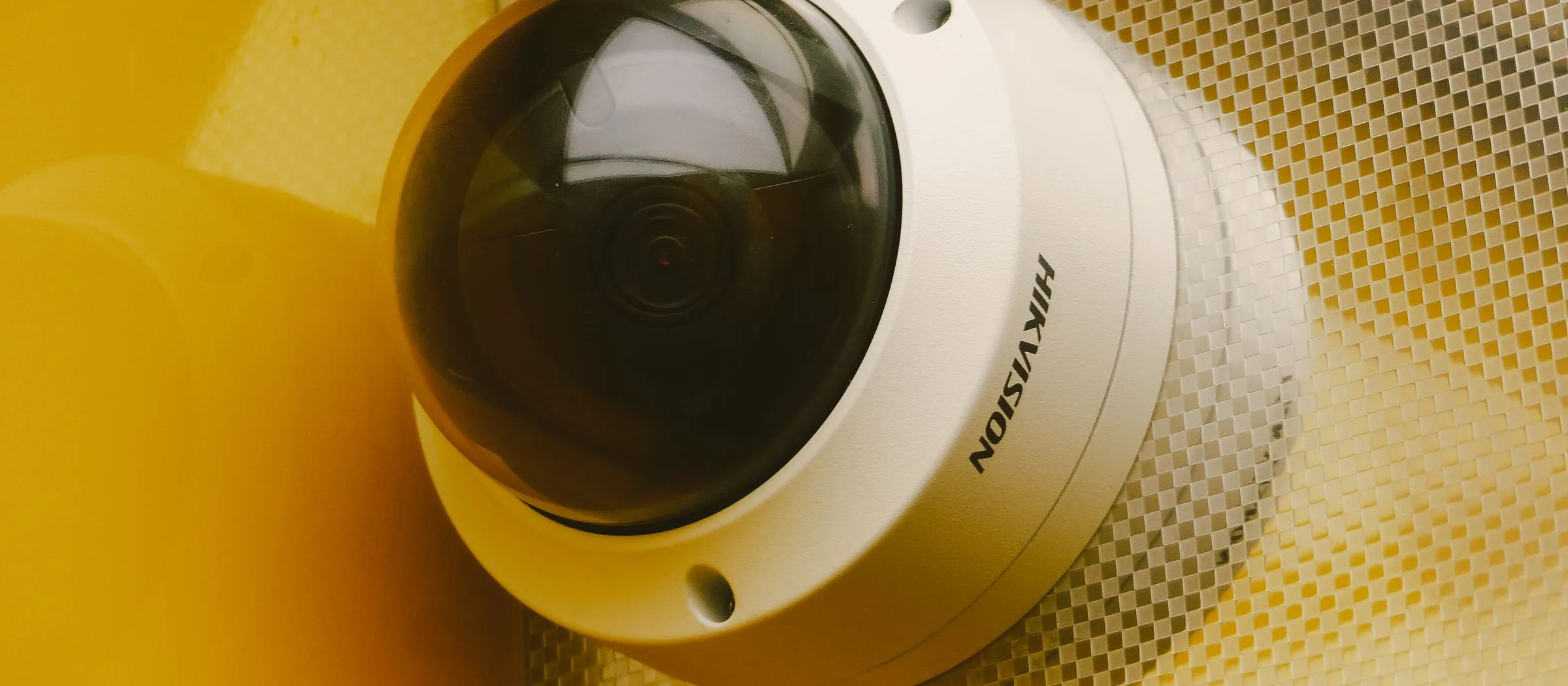
Telephony and CCTV

The telephone system is an IP exchange, commonly duplicated in a hospital, with SIP trunks to the telecommunications operators and analogue lines where the lifts' remote alarms need them. Desk phones take their power over the cable, and staff on the move carry DECT or Wi-Fi handsets that also receive nurse calls, alarms and the hospital's emergency calls.

Each camera is placed for what it must do, under EN 62676-4: 250 pixels per metre at the person to identify them, 125 to recognise them, 62.5 to observe what they do and 25 to detect that someone is there. Recordings are kept for the period the authority or the client sets, on recorders sized for every camera at its resolution and frame rate, and cameras and recorders of different makers work together through ONVIF. In a hospital the cameras watch the entrances, the emergency department, the pharmacy and the doors of secure wards, but never look into a patient's room, bathroom or treatment space, and privacy masks hide what a camera must not record.

IPTV and signage

IPTV takes the channels from satellite dishes and terrestrial aerials into a headend that streams them over the network to the televisions and set-top boxes of every room, with the hospital's or the hotel's own channels beside them. At a hospital bed the television stands on an arm the patient can reach, is controlled from the nurse call handset, and is wiped with the hospital's disinfectants like the handset. Where a building keeps coaxial outlets, we distribute the channels to EN 60728-1.

Digital signage plays content from one management system on screens across a site: wayfinding, waiting times and notices in a hospital, flight and gate information fed from an airport's systems, and advertising in malls. Screens of commonly 500 to 700 cd/m² serve indoors, and of 2,500 cd/m² or more where daylight falls on them, and on the fire alarm the screens turn to evacuation messages where the fire strategy uses them.

Systems and equipment

Telephony

  • IP exchange: call control, commonly duplicated in a hospital, with SIP trunks to the telecommunications operators
  • Desk phones: powered over the cable
  • DECT and Wi-Fi handsets: for staff on the move, receiving nurse calls and alarms
  • Analogue lines: for the lifts' remote alarms and the devices that need them

CCTV

  • Cameras: fixed, dome, PTZ and multi-sensor, each placed for its purpose under EN 62676-4
  • Recorders and storage: sized for every camera for the period the authority or the client sets
  • Video management: live and recorded views, searched by time, place and event
  • Video walls: the cameras' views in the control room
  • Privacy masks: hiding what a camera must not record

IPTV

  • Headends: satellite and terrestrial channels received and streamed over the network
  • Televisions and set-top boxes: in rooms, wards and waiting areas
  • Bedside televisions: on arms, controlled from the nurse call handset
  • Own channels: a hospital's or a hotel's information beside the broadcast channels

Digital signage

  • Content management: one system that schedules the content of every screen
  • Screens and players: indoor screens, and brighter screens where daylight falls on them
  • Wayfinding kiosks: maps and directions for visitors
  • Flight and passenger information: fed from an airport's or a station's systems

Standards we work to

  • EN 62676-1-1: video surveillance systems for use in security applications, system requirements
  • EN 62676-4: video surveillance systems for use in security applications, application guidelines
  • EN 60728-1: cable networks for television signals, sound signals and interactive services, system performance of forward paths
  • ETSI EN 300 175: digital enhanced cordless telecommunications, the common interface
  • The requirements of the UAE's security authorities, those of SIRA in Dubai among them
  • The regulations of the TDRA, the UAE's telecommunications authority, its type approval of equipment among them