Skip to the content
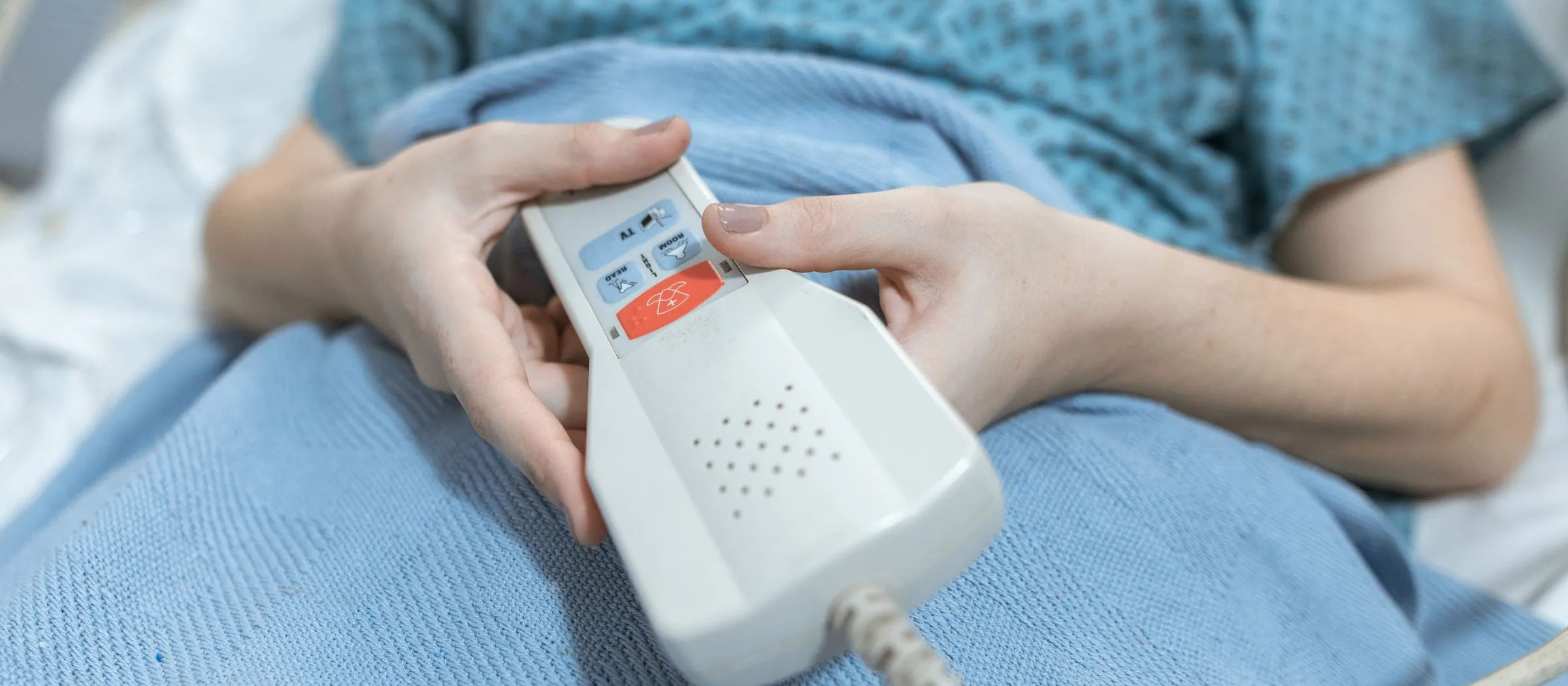
A patient in a hospital bed holding a nurse call handset

Hospital Specialised Systems

Nurse call at every bed and bathroom, theatre control panels, synchronised clocks and patient queue systems.

We design, supply, install, test and commission the nurse call systems of hospitals and care homes and the theatre panels, clocks and queue systems of hospitals, and maintain the systems we installed: the call points at every bed, toilet, shower and treatment room, the over-door lights, room terminals, corridor displays and duty room consoles that show the calls, the theatre control panels, the synchronised clocks, and the queue systems of outpatient clinics. The pneumatic tube systems that carry samples and drugs have a page of their own under Mechanical, and the televisions at the bed are on the page for telephony, CCTV, IPTV and signage.

The design starts from the hospital's clinical brief and its way of nursing: which rooms take which calls, how the wards are staffed by day and by night, who answers a call and who is told when it waits. From it we design the system to DIN VDE 0834-1 and HTM 08-03, or to UL 1069 and the FGI Guidelines where a project follows American codes: we place the call points and the indications, set the classes and priorities of the calls and their escalation, and plan the system's links to the telephones, the staff's location badges and the building management system.

We supply the nurse call equipment, the theatre panels and the clock and queue systems, and our teams install them on site. Every call point is tested from its button to every display and phone it must reach, every priority and escalation is tried, and the system's monitoring of itself is proved to report a fault, before the wards are taken into use. Under a service contract we then maintain the systems we installed: call points and handsets tested, worn handsets and cords replaced, and the call records reviewed with the nursing staff.

Calls, indications and staff presence

Every bed has a call handset the patient can reach, and every toilet and shower a pull cord that hangs close to the floor, so that a fallen patient can still call. A patient's call, a toilet call, a staff call for assistance and an emergency call are each signalled in their own way on the over-door light, the corridor displays, the duty room's console and the phones of the staff who look after that bed, the cardiac arrest and emergency calls ahead of every other. Under DIN VDE 0834-1 a call is cancelled only in the room it came from, so that someone always goes to the patient.

Staff entering a room press its presence button, or are recognised by their badges, and the over-door light shows they are there; a call from another room then sounds where they are. A call not answered within the time the ward sets passes to the next nurse, then to the nurse in charge. The system watches its own components and reports a fault at once, as DIN VDE 0834-1 requires.

At the bed, in the bathroom and in the theatre

Patient handsets carry a large call button and the controls of the reading light, the room's lighting and the television at the bed, sealed so that they can be wiped with the hospital's disinfectants; patients with little strength take air-operated or touch pads. In mental health units every call point is a flush push with nothing to tie a ligature to, and in isolation and clinical rooms the devices are sealed and smooth for cleaning. A cardiac arrest call at a bed reaches the resuscitation team's phones with the room it came from.

Each operating theatre has a flush, sealed control panel on its wall: the clock and the elapsed time of the operation, the room's temperature and humidity shown and set and its pressure shown, the lighting controls and an intercom. A master clock keeps the clocks of the theatres, the wards and the hospital's systems to one time, and in outpatient clinics a queue system calls each patient by ticket to a room, on the waiting area's screens.

Systems and equipment

At the bed and in the bathroom

  • Patient handsets: the call, the reading light, the room's lighting and the television, sealed for cleaning
  • Pull cords: in every toilet and shower, hanging close to the floor
  • Air-operated and touch pads: for patients with little strength
  • Anti-ligature pushes: flush call points for mental health units

Indication and answer

  • Over-door lights: the class of each call and the staff's presence, seen down the corridor
  • Room terminals: presence buttons, and the cancelling of calls in the room they came from
  • Corridor displays: the room and the class of each call
  • Duty room consoles: the ward's calls, their history and two-way speech with the rooms
  • Staff phones: calls sent to the nurse who looks after the bed, with escalation when no one answers

Staff and emergency calls

  • Assistance calls: help called to a room by the staff in it
  • Emergency calls: ahead of the patient, toilet and assistance calls, to every phone of the ward
  • Cardiac arrest calls: first of all, to the resuscitation team's phones, with the room

Theatres and clinics

  • Theatre control panels: clock, elapsed time, temperature and humidity set, pressure shown, lighting and intercom
  • Master clocks: one time for the theatres, the wards and the hospital's systems
  • Queue systems: ticket kiosks, calls to rooms and the waiting area's screens
  • Intercoms: between the theatres, the recovery room and the suite's reception

Integration

  • Telephony: the link to the hospital's telephone system and its DECT or Wi-Fi phones
  • Location: badges that set the staff's presence and find them
  • Building management: the system's faults and states reported

Standards we work to

  • DIN VDE 0834-1: call systems in hospitals, nursing homes and similar institutions
  • HTM 08-03: bedhead services
  • UL 1069: hospital signalling and nurse call equipment
  • FGI Guidelines: the design and construction of hospitals
  • The health facility guidelines of the UAE's health authorities, those of the Dubai Health Authority among them